AppForge Mobile
A self-hosted white-label mobile app factory that connects an existing business website to configurable Android and iOS app experiences.
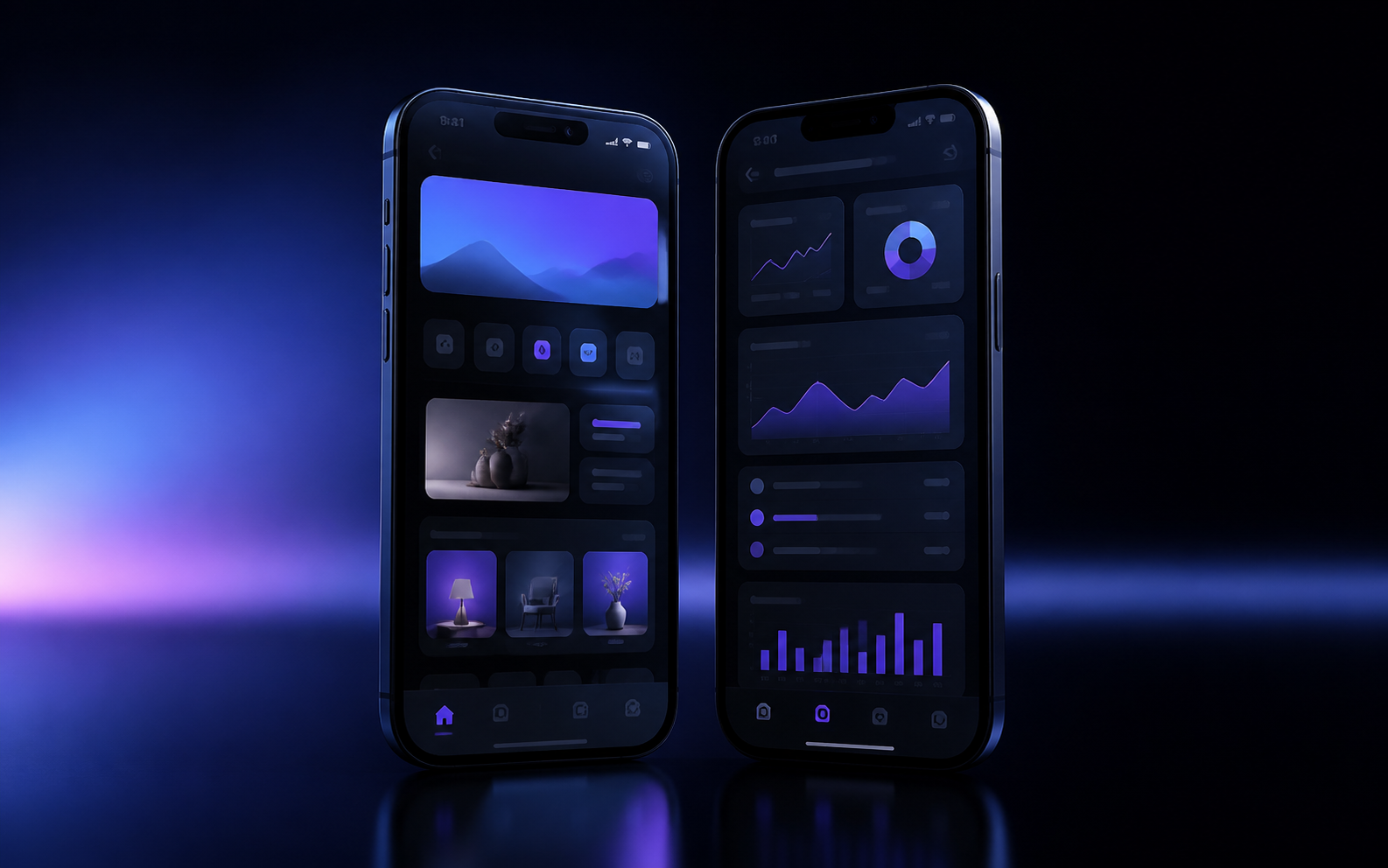
AppForge Mobile is a white-label mobile product foundation for businesses that want Android and iOS applications without replacing their existing web backend. It is included as a solo product-engineering case study because the work spans product definition, installer thinking, web platform architecture, and the mobile delivery path.
What needed solving
Businesses often need a branded mobile app but cannot afford to replace the website, operations, and business logic they already rely on.
What I built
I designed a self-hosted product foundation that keeps the website backend as the system of record while defining owner and customer mobile application paths.
Why it matters
The project is an advanced source candidate with accepted product-definition and local-foundation phases. It remains work in progress until owner verification and production hardening are completed.
How I approached it
I began with the product boundary: preserve the existing customer website and its data, then layer configurable mobile applications around it. The work is organized as an installer, platform foundation, owner tools, and customer app paths so the scope remains buildable.
Tools & Workflow
Implemented with Laravel 12, PHP, Tailwind CSS, Alpine.js, Vite, MySQL/PostgreSQL targets, Redis production planning, and Flutter application tracks. This is presented as a source-verified work in progress, not a released mobile platform.
How this work wasvalidated.
- Product definition
- Architecture and installer flow
- Owner and customer app direction
- Source and documentation audit
From intention toimplementation.
Protect the business system of record
Kept the existing website backend central instead of recreating all business logic inside a mobile shell.
Define customer and owner experiences
Separated customer-facing application needs from configuration and ownership workflows.
Keep readiness claims honest
Recorded accepted early phases while leaving final acceptance and production readiness visibly pending.
Interface & Workflow Captures


Architecture at a Glance
Laravel installer and configurable white-label product core.
Flutter direction for branded customer application experiences.
What this case study does not claim
- Source candidate and work in progress; it is not claimed as a publicly released mobile platform.